The aviation industry is under growing pressure to meet net zero targets by 2050. That means every opportunity to reduce emissions across the value chain is gaining attention, including the role of ULD design and material selection.
With pressure mounting from regulators, airline customers, and internal ESG targets, understanding the environmental performance of cargo equipment is essential. But while many conversations focus on asset utilization, recyclability or end-of-life benefits, a recent cradle-to-grave study reveals a far more powerful factor: weight.
That’s the key takeaway from AviusULD’s latest Product Footprint assessment – a rigorous Life Cycle Assessment (LCA) conducted by environmental consultancy Ecomatters. The study followed ISO 14040/44 standards and used the widely trusted Ecoinvent 3.10 database to compare the environmental impact of three AviusULD AKE ULDs using different panel materials: Aluminium, Herculight, and Endumax.
It was a full cradle-to-grave assessment, built on raw data collected from across the supply chain – including inputs from material suppliers, manufacturing partners, and logistics providers – and modeled using internationally accepted methodologies and conservative assumptions.
What the Study Measured – and Why It Matters
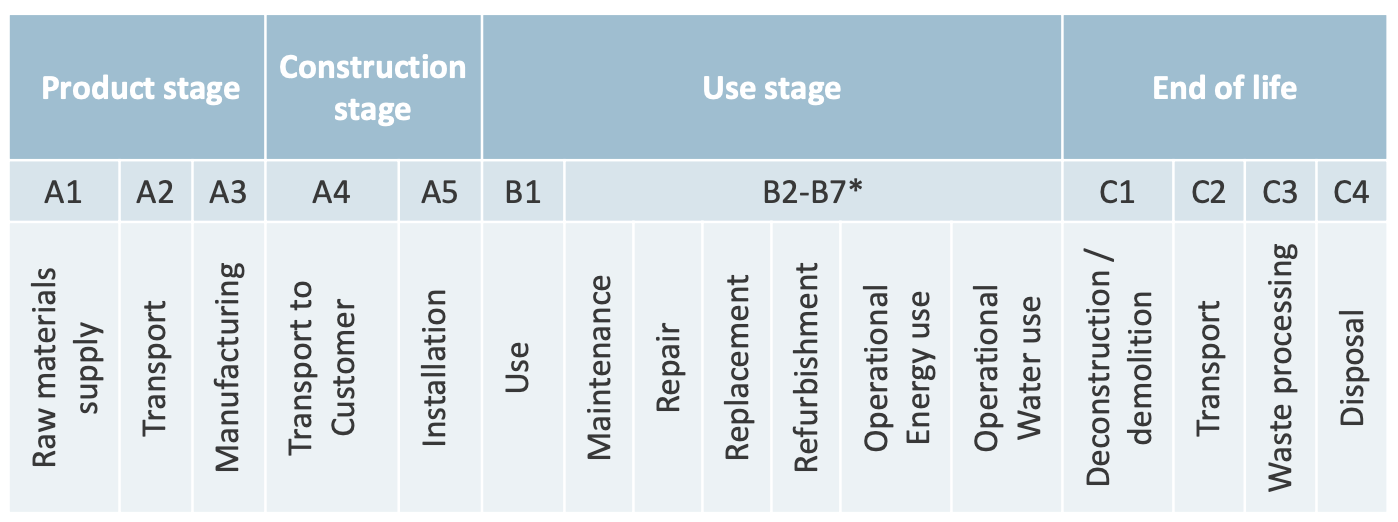
This assessment tracked every stage of each container’s lifecycle – from raw material extraction and manufacturing through to customer delivery, in-service use, and final disposal.
The results were clear:
Over 99% of a ULD’s carbon footprint comes from the use phase – specifically, the fuel burned to transport it by air.
And the main factor influencing that fuel burn? Weight. Heavier containers consume more fuel over their lifetime, making material selection a critical lever for emissions reduction.
The Numbers: Carbon Footprint by Material
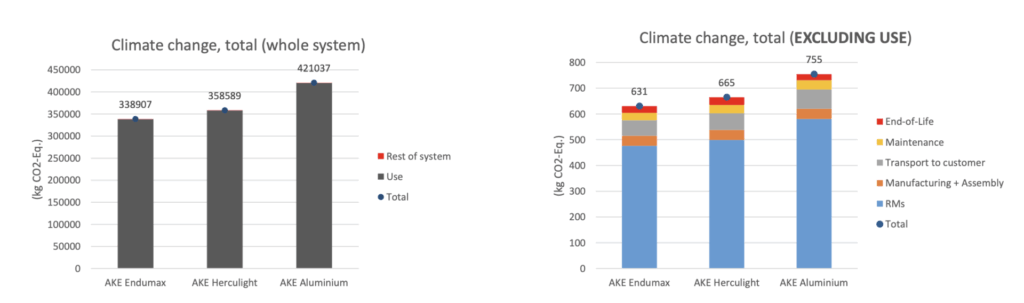
- Endumax AKE: 339,161 kg CO₂-eq
- Herculight AKE: 358,843 kg CO₂-eq
- Aluminium AKE: 421,411 kg CO₂-eq
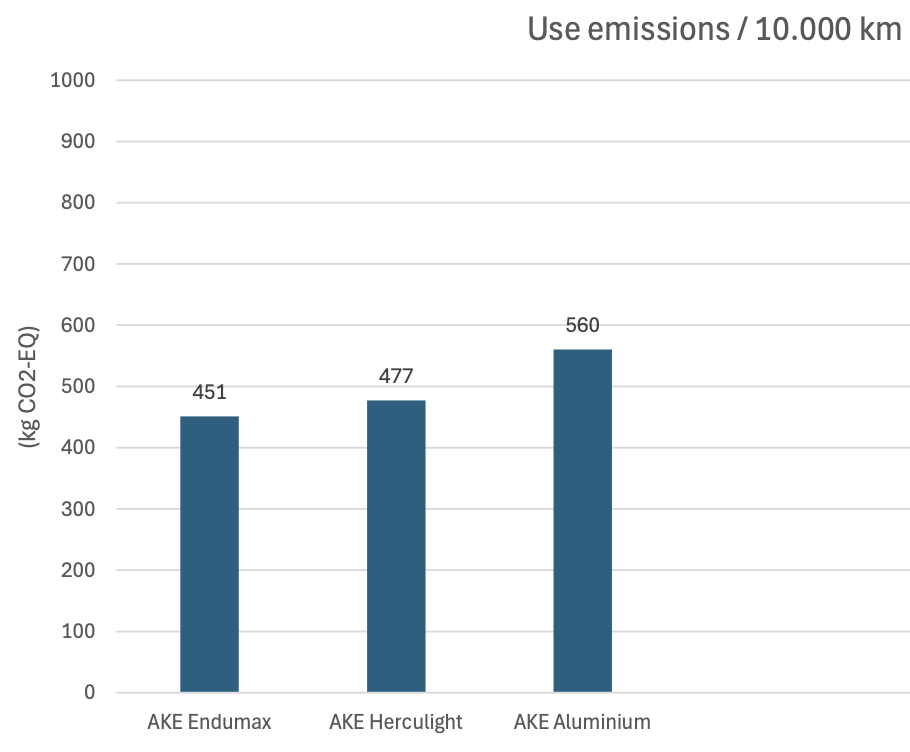
On a per-10,000 km basis, Endumax emits just 451 kg CO₂, compared to 560 kg for Aluminium – a 20% reduction that can scale significantly across a global fleet.
Beyond Use Phase: Raw Materials Still Matter
Even when excluding the in-flight use phase, material mass and type remain the biggest drivers of environmental impact.
- Raw Material Emissions (excluding use):
- Endumax: 712 kg CO₂-eq
- Herculight: 735 kg CO₂-eq
- Aluminium: 938 kg CO₂-eq
- Endumax: 712 kg CO₂-eq
Aluminum stands out as the most carbon-intensive option, due to the energy demands of primary aluminum production. While recyclability is often promoted, its impact is marginal compared to emissions during use.
Lighter Containers, Better Results
If you’re serious about meeting sustainability targets, the evidence is clear: the most effective way to reduce emissions is to reduce weight.
Choosing lighter ULDs with panel materials such as Endumax not only helps cut carbon emissions but also improves operational efficiency – from reduced fuel burn to higher payload potential.
Whether you’re reporting Scope 3 emissions, responding to customer demands, or preparing for carbon pricing mechanisms, weight-optimized ULDs give you a measurable advantage.
Contact us today to explore how lighter containers can deliver better results for your fleet – and the planet.